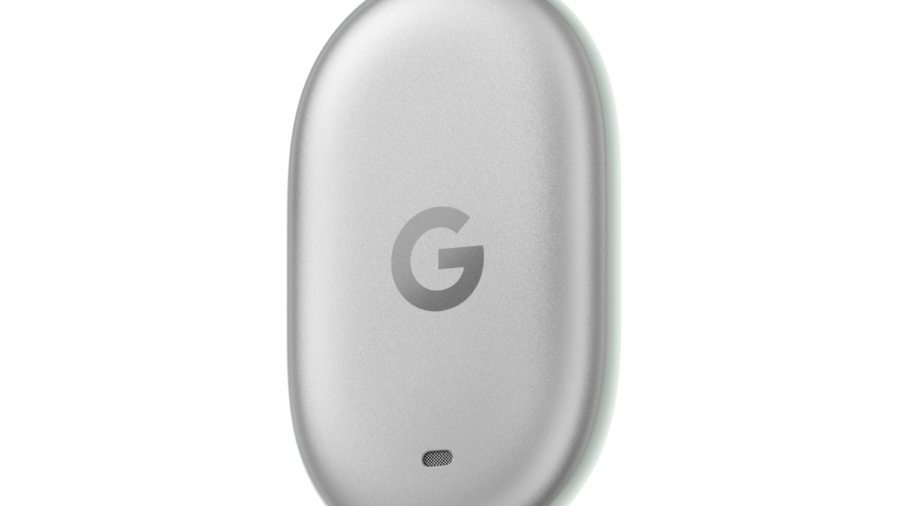
Paris is pioneering parking with a unique trial in the 17th arrondissement, in the Batignolles district. Nearly 200 sensors mounted on streetlights give drivers real-time information on parking space availability, powered by technology driven by artificial intelligence. This deployment, the result of a collaboration between the town hall, PayByPhone, Upciti and Cielis, is a first in France.
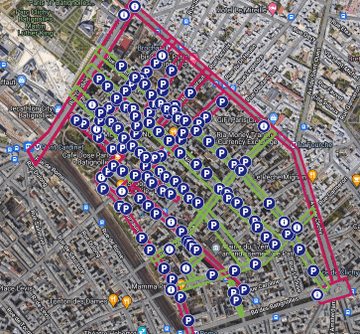
A network of sensors for simpler parking
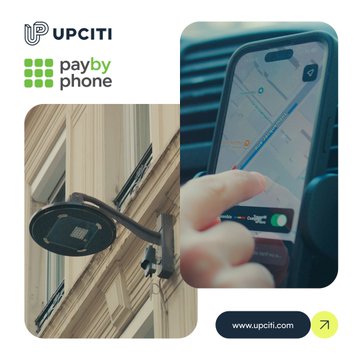
The system installed in the heart of the Batignolles district, covering 26 streets with around 200 sensors, uses multi-purpose sensors made up of a low-resolution camera, an embedded AI processor and autonomous connectivity. These sensors analyze the flow of vehicles and pedestrians to detect free spaces in real time, without collecting intrusive images, ensuring data privacy.
A mobile app to guide drivers
[secret]
[/secret]
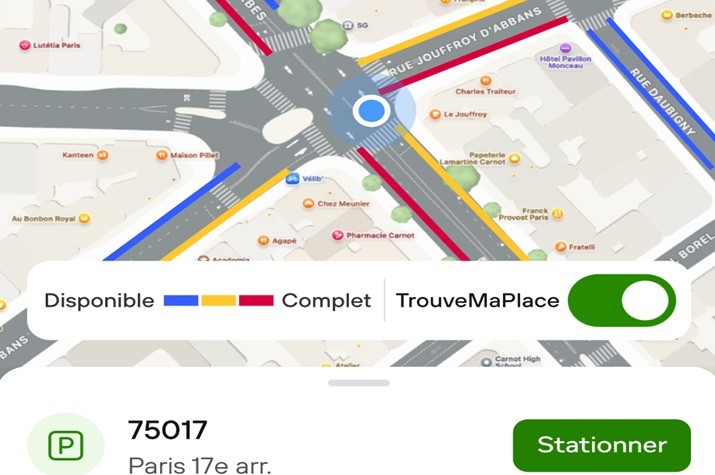
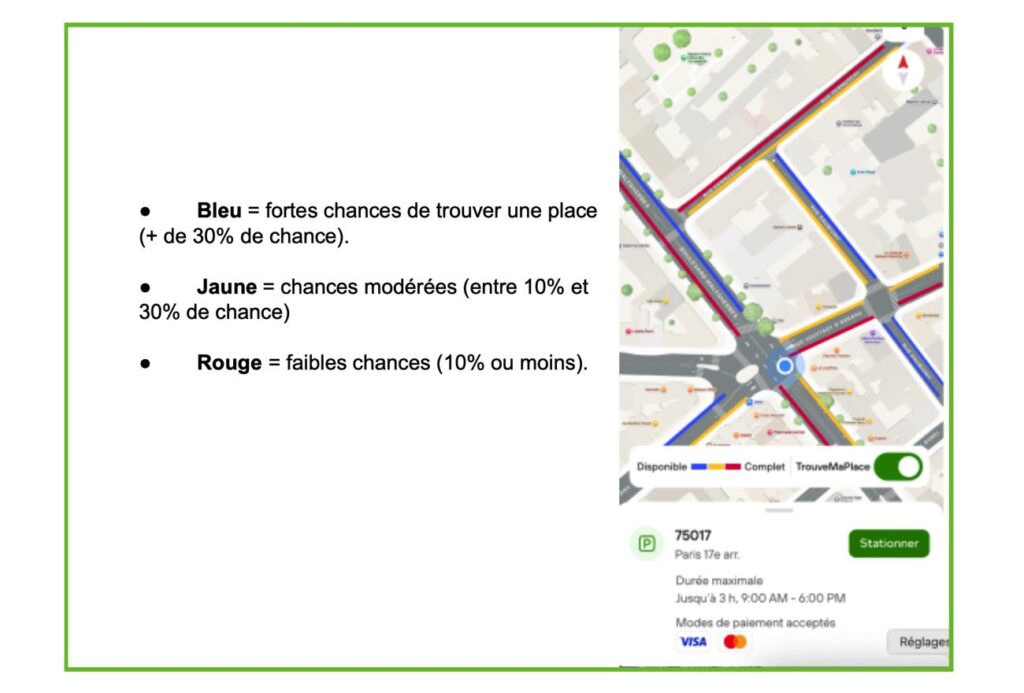
Thanks to the PayByPhone app, already used to pay for parking, users can now be guided to the areas where the chances of finding a space are highest. The information is displayed as color-coded zones based on availability: blue (high chances), yellow (medium chances), red (low chances). This innovation helps reduce search time, traffic jams and pollution caused by unnecessary trips.
A flagship project of the OpenBatignolles smart district
This project is part of the broader OpenBatignolles program, which aims to turn this district into a connected urban laboratory. Beyond parking, this sensor system also collects data on noise, public lighting and urban flows, available as open data under the DTPR standard, in respect of privacy.
A success at the crossroads of technology and local politics
The initiative, launched following a 2021 motion and politically backed by Geoffroy Boulard, mayor of the 17th arrondissement, shows how technology and artificial intelligence can concretely improve the everyday life of city dwellers. PayByPhone, Upciti and Cielis are praised for their technical partnership, which makes this trial a benchmark in urban mobility.