The rapid rise of self-driving cars is transforming the urban transport industry. With the rapid expansion of Waymo across the United States and its imminent arrival in London in 2026, an urgent question arises: are Uber and VTC drivers doomed to disappear?
Robotaxis are taking over American cities
In the United States, robotaxis are no longer science fiction. Waymo, an Alphabet (Google) subsidiary, now provides 250,000 paid rides per week in five major American cities with a fleet of 1,500 autonomous vehicles. The U.S. robotaxi market, valued at $554.9 million in 2024, is expected to soar to $12.7 billion by 2030, representing annual growth of 74%.
Other tech giants are joining the race. Zoox, an Amazon subsidiary, launched its service in Las Vegas in September 2025, while Tesla has started a limited robotaxi service in Austin. Uber itself is investing heavily in autonomy: $300 million in the manufacturer Lucid to deploy 20,000 autonomous vehicles within six years.
Waymo lands in London: a European first

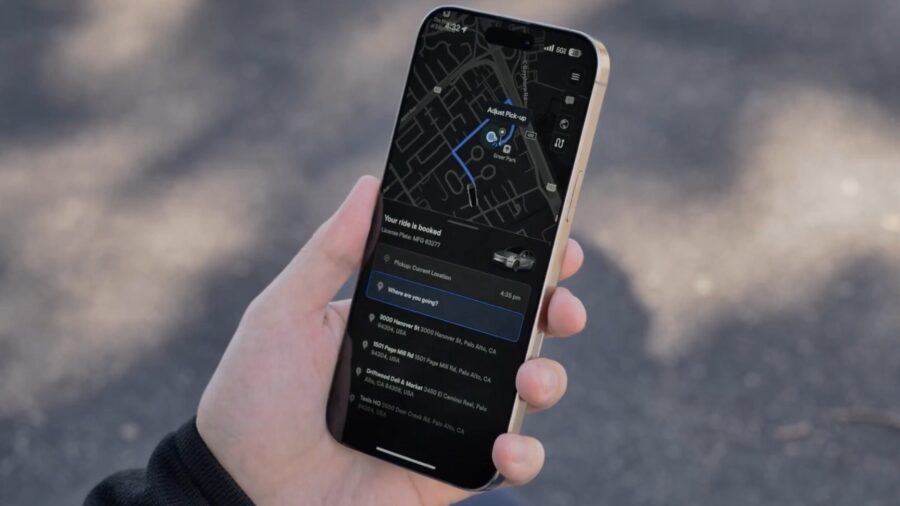
The announcement that changes everything: Waymo arrives in London in spring 2026. This expansion marks the first deployment of robotaxis in Europe, using electric Jaguar I-Pace vehicles equipped with Waymo Driver technology. The service will be accessible through the app, just like Uber, offering competitive fares with no driver on board.
This European breakthrough paves the way for other markets. Uber is multiplying its partnerships: with Wayve in London, Momenta in several European cities, and Baidu in Asia. The autonomous revolution is going global.
Uber drivers directly under threat

The drivers’ testimonies leave no doubt. On Uber forums, panic is rising: “I suspect that over the months and years, our earnings will drop significantly,” one post reads. In San Francisco, Waymo’s birthplace, the platform’s rides have grown from 50,000 to 100,000 per week in just a few months, directly eating into human drivers’ fares.
The figures speak for themselves. Waymo already holds 4% of the market in San Francisco with 8,000 daily rides, compared with 200,000 for Uber. And that share keeps growing. 60% of VTC drivers feel threatened by the arrival of autonomous vehicles. Their concern is legitimate: in the United States, 4.5 million driving-related jobs are potentially at risk.
Overwhelming economic advantages
The economic superiority of robotaxis is relentless. With no driver’s salary, operating costs drop dramatically. Fares could be up to 40% lower than traditional VTC rides, with gross margins reaching 40-50% for operators.
In Wuhan, China, a 10-kilometer trip in a Baidu robotaxi costs between $0.60 and $2.30, compared with $2.50 to $4.20 in a conventional taxi. Robotaxis can complete up to 20 rides per day, far exceeding the average of 13 rides for human drivers. They work 24/7, with no fatigue, breaks, or vacations.
A gradual but inevitable transition
Despite these threats, the end is not coming tomorrow. Dara Khosrowshahi, Uber’s CEO, believes that autonomous vehicles and human drivers will coexist for at least ten years. Robotaxis still face difficulties: damaged roads, bad weather, unmapped areas. Many passengers also prefer human presence for safety reasons.
Projections suggest that automation will plateau at between 35% and 45% of the market in the 2030s. But in the long term, studies forecast a job loss rate of about 6% per year among drivers once the technology matures. In the United States, there could be 250,000 robotaxis by 2035.
The French VTC sector remains promising… for now
In France, the VTC sector is still experiencing sustained growth. Revenue rose from €800 million in 2016 to €3.9 billion in 2022, with about 100,000 active drivers in 2023. The 2025 outlook remains positive, with a market estimated at several billion euros and opportunities for specialization (premium, airports).
But this growth could be the swan song. Uber is already forging partnerships to gradually eliminate drivers: a collaboration with Waymo for Uber Eats deliveries in Phoenix since April 2024, and agreements with Cruise for autonomous vehicles as early as 2025. Uber’s plan is clear: get rid of drivers to maximize profits.
Verdict: a revolution in motion
Yes, the end of Uber drivers is approaching, but it will be gradual. Over the next 5 to 10 years, robotaxis will chip away at growing market shares in major metropolitan areas. VTC drivers will see their earnings decline inexorably. By 2035-2040, 50 to 60% of rides could be automated.
For today’s drivers, the message is urgent: prepare for a career change. The VTC sector is still attractive today, but the outlook is darkening. Waymo’s arrival in London in 2026 will mark a decisive turning point in Europe. The autonomous revolution is only just beginning, and it will profoundly reshape the urban transport world. Uber drivers are on the front line.